
In the US, public housing is essentially government-owned property rented out to extremely low, low, and moderate income families. It is part of the government’s efforts to help improve the standard of living for its citizens while reducing on the rates of homelessness that exist in the country. This type of housing, which is regulated under the US Department of Housing and Urban Development (HUD) and is an important part of the country’s strategy to helping disadvantaged groups like the elderly, the sick or disabled, and families with low income.
Definition of Public Housing
Public housing is defined as rental properties that reasonably qualify for low rent standards as set by the government. It is owned and maintained by local public housing authorities (PHAs) whose operations are governed by HUD. The main objective of public housing is to provide shelter that is both affordable as well as durable, safe, clean and habitable.
How Are Public Housing Programs Operated?
Public housing programs are undertaken with the involvement of the federal government, state legislatures, local governments and public housing authorities. HUD gives financial assistance to PHAs who develop, own and operate public housing in a particular area. Rent is calculated based on the income of a family to ensure that is affordable for most American households. In most cases, tenants’ contribute approximately 30% of their adjusted gross income towards rent while the government subsidizes the remaining amount.
These are Programs Available For Selection: Who Can Apply?
The eligibility for public housing can be narrowed down to the following indicators:
1. Income Level: Must fall below a certain set of criteria by HUD which is determined by the geographical locations.
2. Citizenship: Eligible immigrants and U.S. citizens are permitted.
3. Household Size: Family needs and composition are taken into account.
4. Criminal Record: Certain applicants may be ineligible due to a criminal record.
5. Residency: Some programs restrict others to certain neighborhoods.
Objectives
As for the goals of the housing programs governed by the public authority:
1. Provide Affordable Housing: Housing costs should be reduced for low income households.
2. Promote Stability: Families should have a stable living environment.
3. Encourage Self-Sufficiency: Residents should be helped to attain financial independence by utilizing programs and community resources.
4. Improve Quality of Life: Ensure safe, health and sustainable living environments.
Benefits
- Affordable Rent: Income based rent guarantees financial ease.
- Access to Resources: Most housing programs come with educational, employable, and health resources.
- Stability for Families: Parents are offered consistent and secure housing environments for their children.
- Support for Vulnerable Groups: Used to prioritize the elderly and person with disabilities but not limited to them.
Main Public Housing Programs
- Public Housing Program: Traditional government operated housing development.
- Housing Choice Voucher Program (Section 8): Vouchers are issued for expenses related to privately owned rental housing.
- Low-Income Housing Tax Credit (LIHTC): Aims to encourage private developers to come up with more affordable housing units.
- Supportive Housing for Elderly (Section 202): Ensures that seniors have affordable housing with the provision for supportive services.
- Supportive Housing for Persons with Disabilities (Section 811): Provides housing aid focused on persons with disabilities.
How to Access These Programs
- Conduct Research on the Following PHAs: There is a public housing authority that covers the location where you plan to submit an application.
- Comprehend The Programs: Learn about the different programs offered by your PHA.
- Feasibility Check: Evaluate your income and other household factors against HUD’s criteria.
Steps to Take
- Search For Your PHA: You can check for a public agency via HUD’s website.
- Submit Valid Application: After gathering all the necessary information about income and family, and needs regarding housing, complete the application.
- Long Wait Augmented: Most applications will have a waiting list since there is more demand than anticipated.
Required documents:
- Proof of Identity: State issued ID or SSN.
- Income Verification: Pay stubs, tax forms, benefits statements
- Proof of Residency: Documentation confirming residency.
- Additional Documents: Varying from family constitution or additional needs documents.
Action Plan
- Eligibility Determination: Eligibility needs to be established through HUD.
- Local PHA Contact: Get housing information available from Locals.
- Document Preparation: Collect all the important documents.
- Submit Application: Complete application for local PHA.
- Interview: Participate in an in-person verification interview.
- Approval Waiting: Weeks or even months can pass to gain approval depending on demand.
- Lease Move In: If approved, upon signing the lease, terms of the program need to be followed.
Recommendations
- Apply Early: Relax Now. A large volume of applications may mean long wait times, so apply as soon as you can.
- Keep Documentation Updated: Be sure all the information is correct and up to date.
- Explore Other Options: Look at other programs like Section 8 or other state programs.
Social Impact
Public housing schemes have a great impact on society by:
– Economically uplifting low-income families, fostering a sense of stability.
– Fostering community-wide wellbeing amongst disadvantaged groups.
– Old and disabled people are bearing the burden of tenants who have not paid rent.
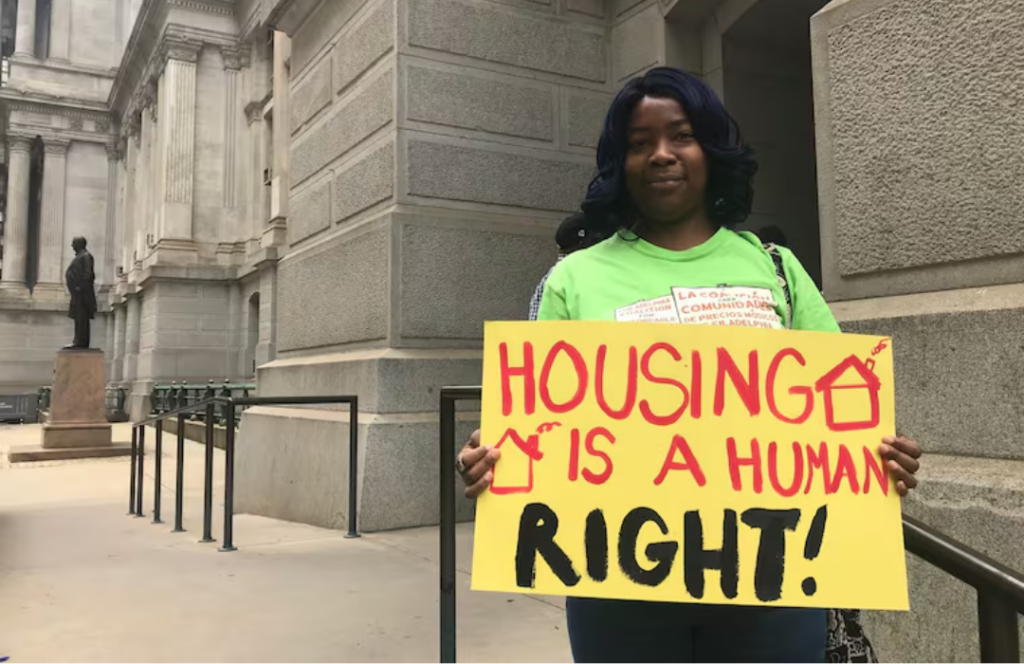
In the United States, public housing is an important safety net for millions of its citizens. It not only provides some measure of decent shelter but also prevents entire neighborhoods from becoming forgotten slums. There is little debate about the social and economic costs of these programs. It is not uncommon for people who are unable to pay rent to use these processes as a means of gaining housing protection. For these vulnerable groups, learning how to access these services is the first step in finding stable housing and achieving autonomy.