



Emergency Rental Assistance Program
The cost of housing in the…

Fast Business Loans: How to Get Quick Funding for Your Business
In today’s fast-paced business environment, access…

Car Insurance: Everything You Need to Know About Protecting Your Vehicle and Home
Car insurance is a vital part…

Health Insurance: A Comprehensive Guide to Your Options and Benefits
Health insurance is a crucial part…
Government Assistance Programs in the United States
Government assistance programs in the United States play a vital role in supporting individuals and families facing economic challenges. These programs aim to provide essential resources such as food, housing, healthcare, and financial support, ensuring that vulnerable populations can meet their basic needs and improve their quality of life.
Rooted in principles of social welfare and equity, these initiatives are designed to address issues like poverty, unemployment, and lack of access to education and healthcare. By offering targeted aid, government assistance programs help bridge socioeconomic gaps and empower individuals to achieve greater stability and independence.
In this page, we will explore some of the most prominent assistance programs available, including their objectives, benefits, and how to access them. From food assistance under the Supplemental Nutrition Assistance Program (SNAP) to housing support through Section 8 and healthcare benefits like Medicaid and CHIP, these programs demonstrate the government’s commitment to fostering a safety net for its citizens.
Who Can Access These Programs?
Eligibility for government assistance programs depends on several factors, including:
– Income Level: Most programs are income-based, targeting low- and moderate-income households.
– Family Size: Larger families may qualify for higher levels of assistance.
– Immigration Status: U.S. citizens, lawful permanent residents, and certain qualified non-citizens may be eligible.
– Specific Needs: Programs may target specific groups, such as pregnant women, seniors, or individuals with disabilities.
To determine eligibility, individuals can consult government agencies or seek advice from an immigration adviser if immigration status is a factor.

Objectives of Government Assistance Programs
The primary objectives of government assistance programs include:
1. Alleviating Poverty: Ensuring that low-income individuals and families can meet basic needs.
2. Promoting Health and Well-being: Providing access to healthcare and nutrition for improved quality of life.
3. Enhancing Stability: Offering housing assistance and unemployment benefits to prevent homelessness and economic distress.
4. Encouraging Self-Sufficiency: Supporting education, training, and employment opportunities to help beneficiaries achieve financial independence.
Benefits of These Programs
Government assistance programs provide numerous benefits, such as:
– Financial Relief: Direct payments, subsidies, and vouchers help reduce financial burdens.
– Improved Nutrition: Programs like SNAP and WIC ensure access to healthy food.
– Healthcare Access: Medicaid and CHIP provide low-cost medical care for eligible individuals.
– Housing Stability: Programs like Section 8 housing vouchers help families secure affordable housing.
These benefits are instrumental in improving the overall well-being of individuals and families.
Main Assistance Programs
The United States offers a variety of government assistance programs to support individuals and families in need. These programs address essential areas such as food security, healthcare, housing, and financial assistance. Below is an overview of key federal assistance programs:
1. Food Assistance
– Supplemental Nutrition Assistance Program (SNAP): Provides eligible low-income individuals and families with funds to purchase food, aiming to alleviate hunger and improve nutrition.
– Special Supplemental Nutrition Program for Women, Infants, and Children (WIC): Offers nutritious foods, education, and healthcare referrals to low-income pregnant women, new mothers, and young children at nutritional risk.
– National School Lunch Program (NSLP) and School Breakfast Program (SBP): Provide free or reduced-price meals to eligible children in schools, ensuring access to nutritious food during the school day.
2. Healthcare Assistance
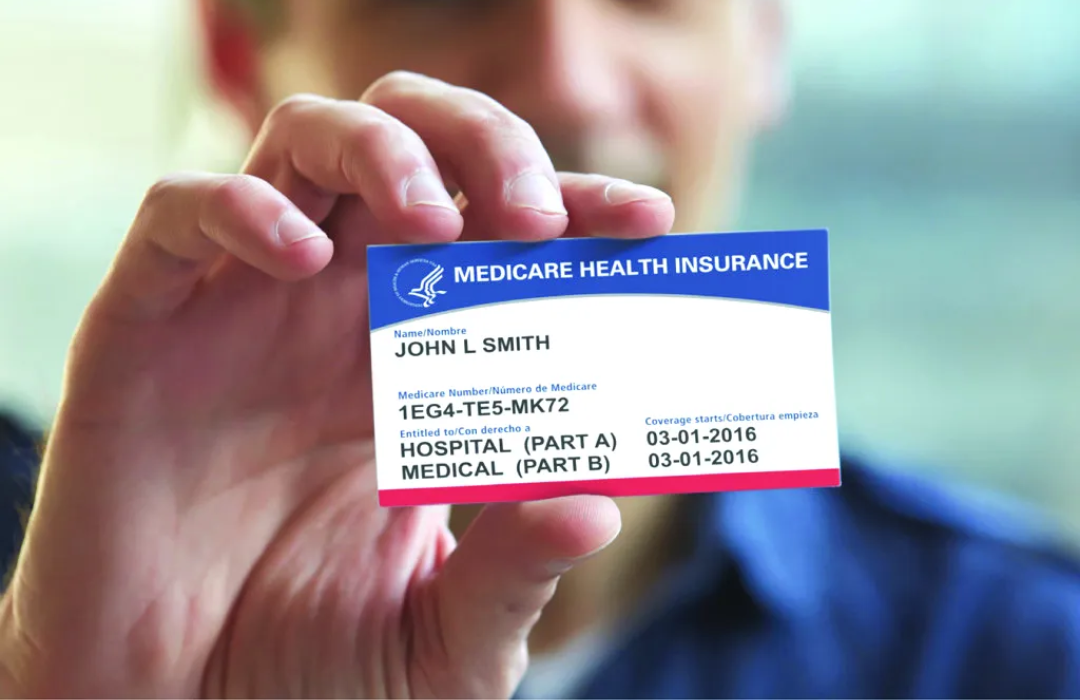
– Medicaid: A joint federal and state program offering healthcare coverage to eligible low-income individuals, including families, seniors, and people with disabilities.
– Children’s Health Insurance Program (CHIP): Provides low-cost health coverage to children in families that earn too much to qualify for Medicaid but cannot afford private insurance.
3. Housing Assistance
– Section 8 Housing Choice Voucher Program: Assists very low-income families, the elderly, and the disabled in affording decent, safe, and sanitary housing in the private market through housing vouchers.
– Public Housing: Offers rental housing to eligible low-income families, the elderly, and persons with disabilities, managed by local public housing agencies.
4. Financial Assistance
– Temporary Assistance for Needy Families (TANF): Provides temporary financial assistance and work opportunities to needy families with children, promoting self-sufficiency.
– Supplemental Security Income (SSI): Offers cash assistance to individuals who are aged, blind, or disabled and have limited income and resources.
5. Energy and Utility Assistance
– Low Income Home Energy Assistance Program (LIHEAP): Helps low-income households with their home energy bills, energy crises, weatherization, and energy-related minor home repairs.
– Lifeline Program: Provides discounted phone or internet services to eligible low-income consumers, ensuring access to essential communication services.
6. Unemployment Assistance
– Unemployment Insurance (UI): Offers temporary financial assistance to workers unemployed through no fault of their own and who meet state eligibility requirements.
7. Education Assistance
– Federal Pell Grants: Provide need-based grants to low-income undergraduate students to promote access to postsecondary education.
– Head Start and Early Head Start: Programs that promote school readiness for young children from low-income families through education, health, social, and other services.



This website serves as an informational resource designed to provide insights into the benefits offered by various social programs. It is important to clarify that we operate independently and have no formal association with any governmental or state institution. Our sole objective is to deliver accurate, accessible information to help individuals better understand and navigate the support available through these programs.