Assistance in USA
The United States has a robust network of assistance programs designed to support individuals and families facing financial, social, or health challenges. These programs aim to provide critical resources, including food, housing, healthcare, and education, to improve the quality of life and promote economic stability.
What Are Assistance Programs in USA?
Aid programs comprise of various policies and state funded projects such as food security, affordable housing, employment, medical coverage, and education that both the federal and state governments have designed to cater the US citizens. These programs are exclusive to the low income class, sections with special needs, children and women, and victims of societal discrimination.
In the United States, assistance programs are govened by a mix of local, state, and even nonprofit organizations. A nationwide approach enables structures like the HUD and USDA to take responsibility for program implementation, while states take responsibility for the actual details of the programs. There are strict requirements for funding through these organizations.
Who Can Access These Programs?
Eligibility for assistance programs varies but often depends on:
1. Immigration Status: This aid is accessible for all citizens, including lawful permanent residents and even refugees.
2. Economic Status: These guidelines vary depending on the scope of the programs, for example, low economic citizens may qualify for numerous initiatives.
3. Demographic Criteria: Programs like WIC aim at specific people such as expectant mothers and toddlers.
Local agencies or internet searches should be done to determine thier individual situations.
Objectives of Assistance Programs
The primary goals of assistance programs are:
– Reduce Poverty: Provide financial support to families below the poverty line.
– Promote Self-Sufficiency: Equip individuals with skills and resources to become independent.
– Improve Public Health: Enhance access to medical care, nutritious food, and safe housing.
– Support Vulnerable Populations: Protect children, seniors, disabled individuals, and marginalized communities.
Benefits of Assistance Programs
Participants in assistance programs can access:
– Financial Relief: Direct subsidies for housing, utilities, and food.
– Health Coverage: Comprehensive medical care through programs like Medicaid.
– Educational Support: Grants and scholarships for higher education.
– Housing Security: Rental vouchers and affordable housing options.
These benefits reduce financial stress, improve living standards, and foster long-term stability.
Main Assistance Programs
The U.S. government offers a range of programs, including:

Fast Business Loans: How to Get Quick Funding for Your Business
In today’s fast-paced business environment, access…

How to Apply for U.S. Citizenship
U.S. Citizenship represents both a legal…

Unemployment Insurance
A Comprehensive Overview Unemployment Insurance (UI)…
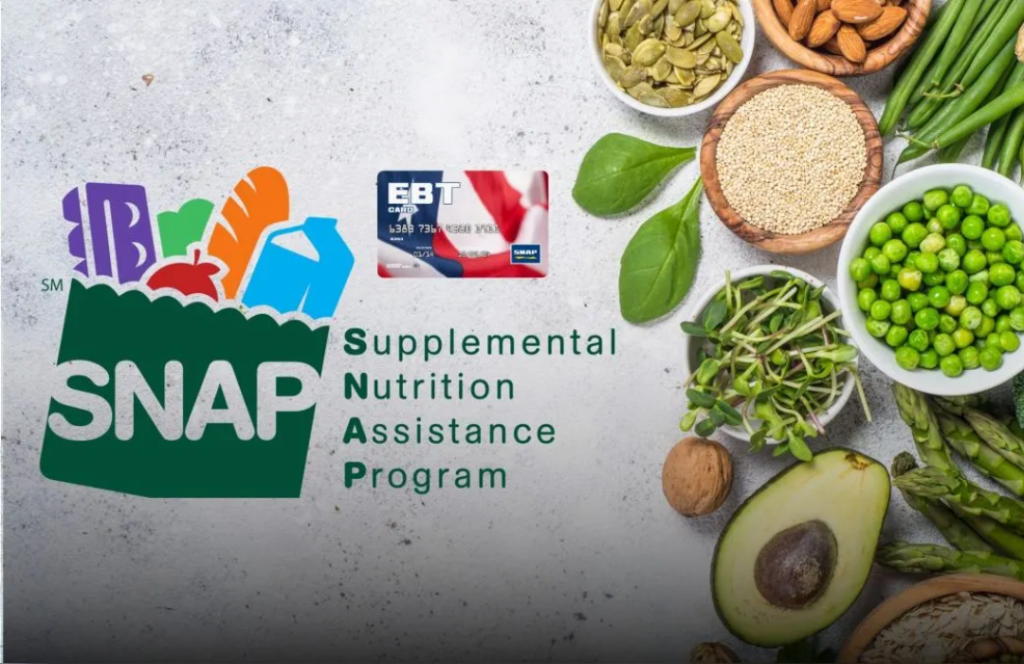
Supplemental Nutrition Assistance Program (SNAP)
Low-income people and families are provided…

How to Renew Your DACA Status
DACA is an acronym for Deferred…
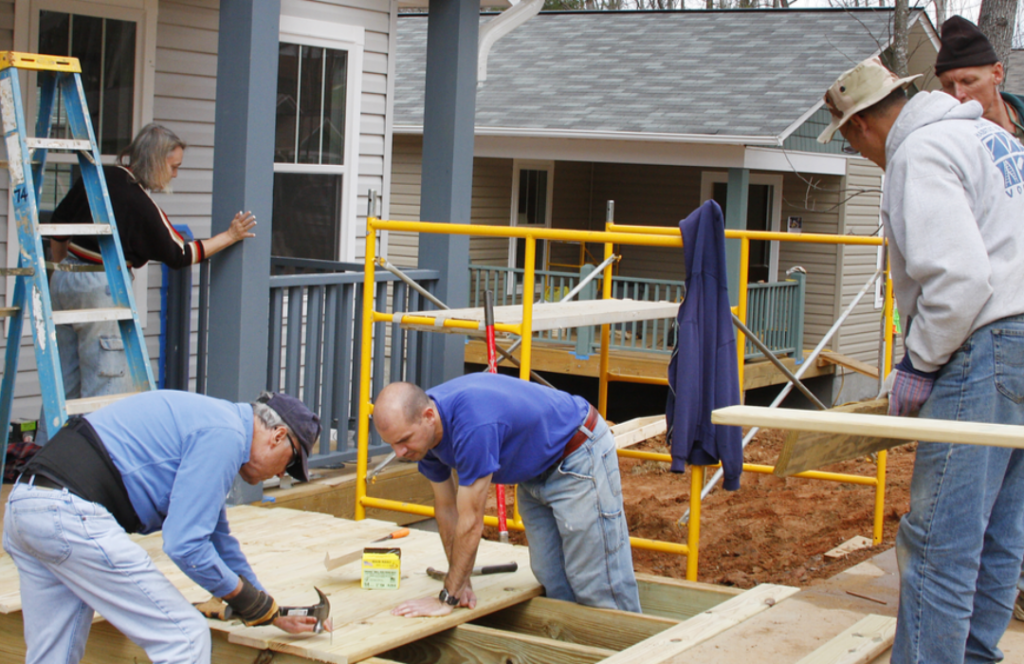
Weatherization Assistance Program (WAP)
Launched in 1976, the longevity of…
Social Impact of Assistance Programs
Aid programs are essential in the fight against poverty, homelessness, and medical issues. They also sponsor education and the workforce which improves the whole nation’s politics and economy. By helping the less privileged people, these programs strengthen communities and benefit society as a whole.
A multitude of assistance programs are within reach. This ensures every US citizen is catered for. Individuals and families can understand their objectives, benefits, and procedures pertaining to these structures to achieve a better standard of living and enhanced stability. This is best done with the assistance of the community or legal experts.